Everything You Need to Know About What You Can and Can’t Put in a Dumpster
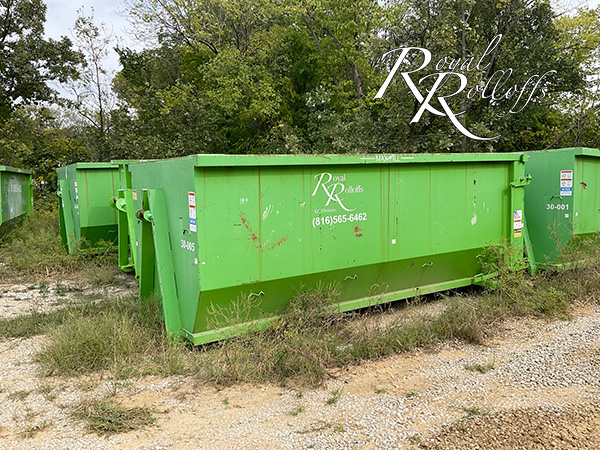
While organizing a cleanup or renovation project around Independence, MO, being aware of acceptable and prohibited items is critical. It often surprises people to learn that not all materials can be disposed of in the same way. This knowledge helps reduce complications, additional fees, and potential safety hazards on the worksite. At Royal Rolloffs, we provide clear guidance by helping you understand what belongs in the dumpster and what does not. Following this list will help you plan ahead and load safely.
Smart waste management is more than just tossing items out. It makes sure you follow disposal guidelines, creates a safer environment, and helps preserve the environment. By learning what items belong in a dumpster and which ones require special handling, you can keep your project running smoothly from start to finish. This article covers common categories of waste, explains limitations, and provides helpful tips for sorting debris before loading your container.
Household Junk and General Debris
The majority of residential waste can go in your dumpster. Furniture, textiles, toys, paper goods, and general garbage can be disposed of together. These are the materials most frequently found in residential dumpsters. If you are organizing a whole-home purge, you will likely load these items first. Organizing waste allows you to fit more and load safely.
Remodeling debris like drywall, flooring, lumber, and shingles is accepted. These materials are common during remodeling and renovation projects. To make the most of the space, break down larger items when possible and place heavier materials at the bottom. This creates a stable load and allows more room for lighter materials on top. By sorting as you go, you avoid overfilling the dumpster and reduce the need for multiple hauls.
Landscaping Debris and Outdoor Waste
Most green waste like grass, branches, and leaves can be tossed in. These containers are convenient for major landscaping or seasonal yard work. Sorting outdoor debris apart from trash ensures proper processing. It is recommended to cut down oversized roots and stumps before loading, because they can need separate disposal methods.
Exterior structures like fences and decks may go in as long as untreated. Avoid wood treated with dangerous chemicals, because they need special treatment. If you are replacing concrete or bricks, these can also go into a dumpster but should be loaded evenly to avoid overloading. Distributing the weight evenly is important for safe transportation and compliance with road weight limits.
Prohibited Waste and Restricted Materials
Some items are banned for safety and environmental protection. Hazardous waste, such as paint, chemicals, pesticides, oil, gasoline, and solvents, cannot be disposed of in this way. These website substances can leak or react, creating dangerous conditions for waste handlers and the environment. Your local hazardous waste program can direct you to the right facility.
Fridges and AC units must be drained before disposal. These items need to be recycled through specialized programs. Sharps, medical debris, and hazardous soil must not be disposed of in a dumpster. Understanding these limits helps you plan efficiently and stay safe.
Building and Renovation Waste
Jobsite containers are ideal for debris created during building and demolition work. Materials such as lumber, siding, roofing, concrete, and metal are generally accepted and can be disposed of together. For large renovation projects, keeping similar materials grouped together can make recycling easier and help reduce the environmental impact of the project. Our team partners with clients to manage construction waste in compliance with regulations.
Tear-down projects generate large quantities of waste like tiles, plaster, and glass. These are allowed unless they contain restricted contaminants. Asbestos requires professional testing and abatement before loading. Planning ahead prevents stoppages and protects workers.
Special Handling for Heavy Materials
Concrete, soil, and stone can go in a container but must be handled carefully. These materials quickly add weight, and overloading can make the container unsafe for transport. Customers should be mindful of how much heavy material is placed inside to avoid exceeding weight limits. In some cases, separating these materials into smaller loads may be necessary to ensure safe hauling.
Spread heavy material evenly across the container floor. Balancing weight helps protect the container and truck. Letting us know what heavy debris you have helps us prepare the right solution. Thinking ahead helps you stay within safe loading practices.
Environmentally Responsible Practices
Responsible disposal helps maintain a healthy community and ecosystem. Recycling efforts and proper sorting keep trash volume low. Royal Rolloffs helps ensure waste is processed with environmental care. This effort maintains a healthier community in Independence, MO.
Sorting metal, cardboard, and recyclable plastics helps conserve resources. It benefits both the environment and the disposal process. Our team shares tips for hassle-free recycling preparation. Following these practices keeps you compliant and eco-friendly.
Ensuring a Smooth Dumpster Rental Experience
Being aware of accepted and restricted items ensures a stress-free rental. People throughout Independence, MO, count on Royal Rolloffs for expert guidance and quality dumpsters. Careful sorting, following restrictions, and preparing for weight limits prevent costly delays. We focus on keeping the rental process convenient and secure. Whatever the job, we provide the right dumpster solution for your project.